Excavation

Excavation for Outdoor Projects

Clear, dig, and prepare the ground for the patio, wall, pool, concrete, or landscape improvement you want to build next.

Why homeowners choose Excavation

Good Excavation protects the finished project

Excavation is where a project becomes real. The crew has to understand access, soil, depth, slope, haul-off needs, utilities, and how the finished surface will sit before digging begins.

Excavation sets the stage for everything that follows. If the base is too shallow, the grade is off, or the wrong material is left behind, the finished patio, pool, slab, or wall can suffer. Slaymaker Landscaping treats excavation as a planning step, not just a digging task.

The work often includes removing old material, cutting to the correct depth, preparing for base stone, shaping slopes, and creating clean access for the rest of the project. Soil conditions can change quickly across a property, so the crew needs room to adjust as the site opens up.

Homeowners benefit when excavation is coordinated with the installation team for concrete, hardscape, pool, drainage, or grading work. That keeps elevations aligned and avoids digging the same area more than once.

A careful excavation plan also protects the parts of the property that are not being rebuilt. The crew needs to know where equipment can enter, where material can be staged, and what finished surfaces, fences, trees, or utilities should be avoided. That planning keeps the work focused on preparing the site instead of creating new repair needs.
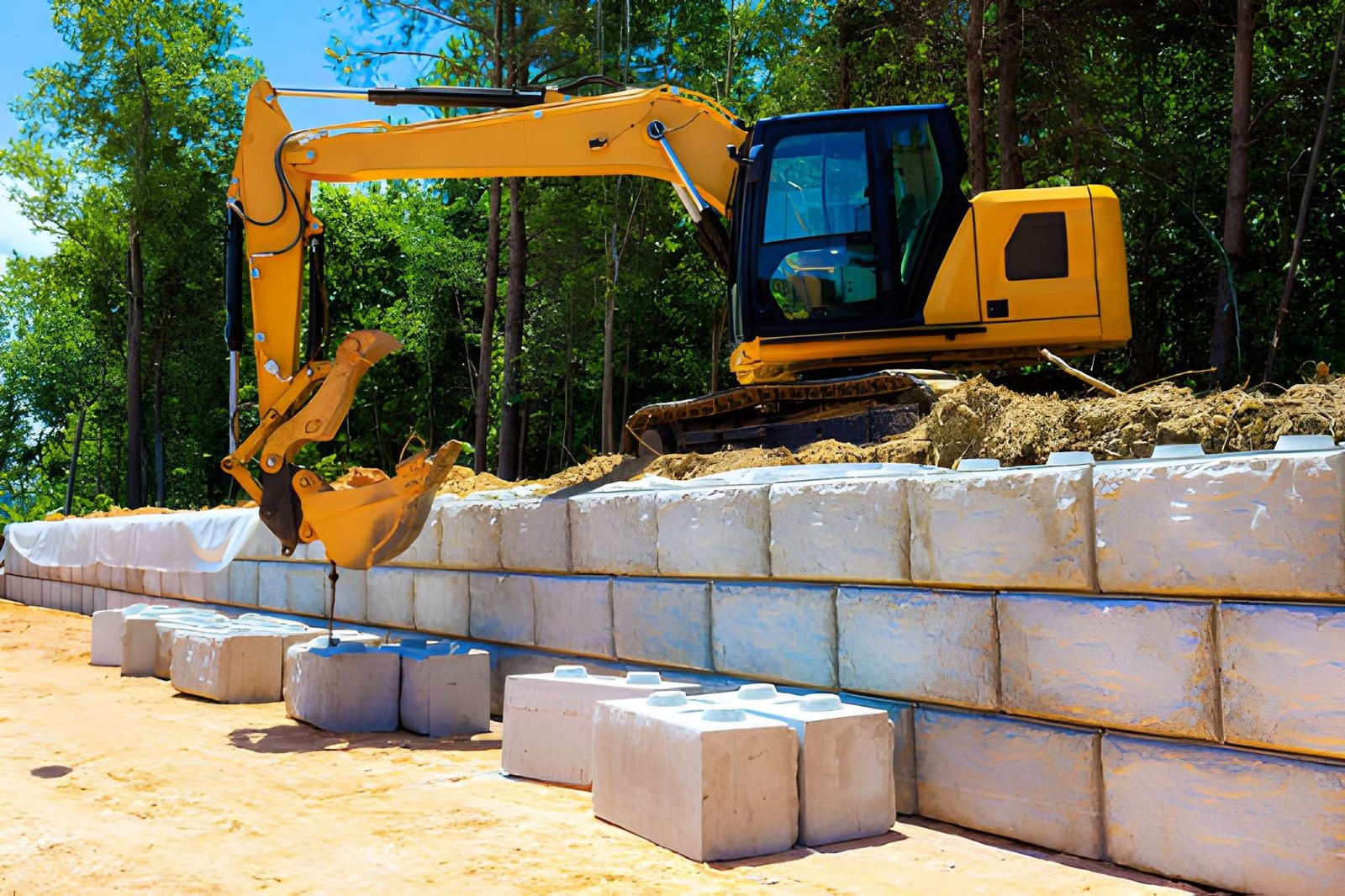
Built for your yard The work beneath the surface is handled with the same care as the part you see every day.

Best uses

Site preparation for serious outdoor upgrades

Excavation may be needed for fiberglass pools, retaining walls, paver patios, concrete pads, drainage lines, driveway extensions, lawn grading, and overgrown or uneven areas that need a reset. Each use has different depth, access, and material requirements.

A pool excavation has to fit the selected shell and support plan. A patio excavation has to allow enough base material. A drainage excavation has to maintain slope. A retaining wall excavation has to account for wall depth and backfill. Treating each project the same can lead to problems.

Slaymaker Landscaping reviews the finished goal first, then prepares the ground for that result. That helps the excavation work support the whole project rather than simply clearing space.

That goal-first approach is especially useful when a project includes more than one service. A pool may need excavation, backfill, grading, and a patio base. A wall may need a trench, drainage stone, and finish grading. A concrete project may require removal, depth control, and a clean transition to the surrounding lawn.

Process

Controlled digging with the end result in mind

Excavation work is planned around depth, soil, equipment routes, staging room, and the finished elevation needed for the next phase.

  1. 01 Confirm the project goal, work area, access route, known obstacles, and desired final elevation.
  2. 02 Mark limits and review utility awareness, soil movement, staging, and equipment needs.
  3. 03 Remove unwanted material, old surfaces, debris, or excess soil from the work area.
  4. 04 Cut and shape the site to the depth and slope required for the next phase.
  5. 05 Prepare the area for base stone, drainage, pool placement, concrete forms, or grading.
  6. 06 Coordinate cleanup, haul-off, and transition into installation work.

Depth, access, and soil

Site conditions that control the dig

Excavation is more controlled when the crew understands what comes after the digging. The right depth, material handling, access route, and cleanup plan help the next phase start on stable ground.

Depth and tolerance

A pool dig, retaining wall trench, patio base, drainage line, and concrete pad all require different cuts. The excavation should match the finished elevation and allow room for base material, backfill, compaction, and final grading.

Material handling

Removed soil, roots, old concrete, stone, and unsuitable material need a plan before work begins. Some soil may be reused for grading, while debris or excess material may need haul-off to keep the site ready for installation.

Property protection

Access routes, staging areas, nearby fences, irrigation, driveways, existing patios, and plantings should be reviewed before equipment enters the yard. That planning keeps the excavation focused and reduces avoidable disruption.

Subgrade condition

Once the surface is opened, the crew may find soft soil, roots, old fill, buried debris, or wet areas that need attention before installation can continue. The excavation plan should leave room to correct unsuitable conditions instead of covering them.

Sequencing with finish work

Excavation should match the next step in the project. Pool placement, wall construction, concrete forms, drainage pipe, base stone, and final grading each need the site left at a different stage of readiness.

Excavation questions

Excavation questions before digging

What types of projects need excavation?

Pools, patios, retaining walls, concrete pads, drainage lines, grading corrections, and site cleanups often need excavation before installation begins.

Can Slaymaker Landscaping remove excess soil?

Soil removal and haul-off can be discussed during the estimate based on the project size, access, and disposal needs.

How do I prepare for excavation?

Clear movable items, note access restrictions, share photos of the work area, and mention known utilities, irrigation, fences, or obstacles.

Is excavation included with pool or hardscape projects?

Excavation is commonly part of those projects, but the scope depends on the site conditions and the finished plan.

Can excavation fix uneven ground?

Excavation can remove or reshape problem areas, often followed by grading so the finished site drains and functions properly.

What can change after digging starts?

Soil conditions, buried debris, old roots, unsuitable fill, or wet areas can affect the final preparation needed before concrete, hardscaping, drainage, or pool work continues.

Why does access matter so much?

Equipment size, haul-off routes, staging space, fences, slopes, and existing surfaces all affect how efficiently the excavation can be completed and how well the surrounding property is protected.

Start with what you want

Ready to clear the way for what comes next?

Tell Slaymaker Landscaping what you want to build or fix and how you hope the finished space will work for you.

Request Your Estimate Call (260) 508-2744

Include the service, ZIP code, timing, photos, and what should improve when the work is complete.