
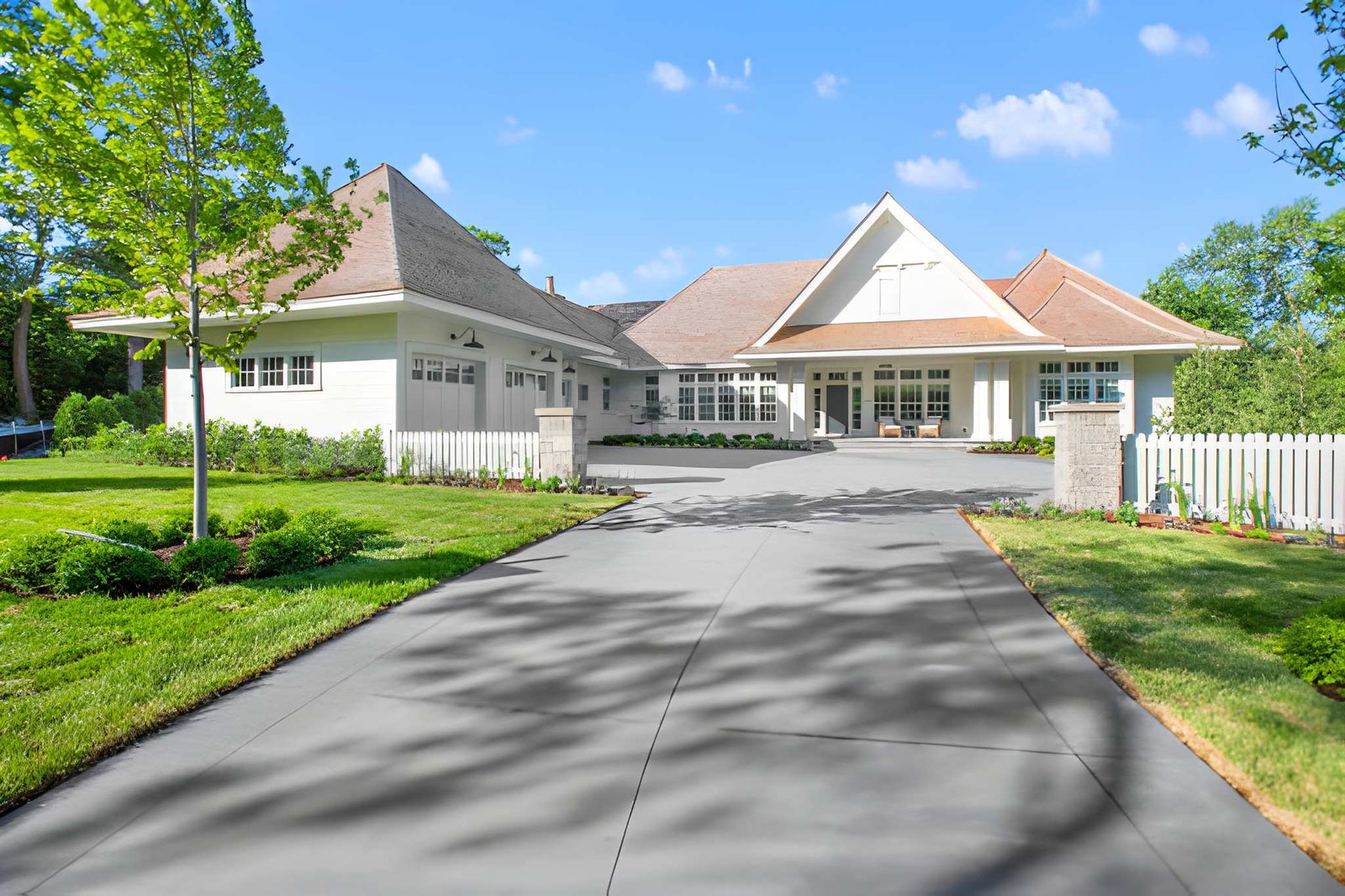
Vehicle use
Passenger vehicles, trailers, equipment, parking patterns, and turnaround needs influence layout and slab planning.
Concrete driveways
Come home to a clean, durable driveway built for daily traffic and a stronger first impression.
Why homeowners choose Concrete driveways
Driveway performance begins at the subgrade. Soft soil, insufficient base, trapped water, poor edge support, and awkward transitions can undermine a strong concrete surface.
The layout should reflect how vehicles enter, back, park, and reach the garage. Width, flare, turnaround needs, parking extensions, walk connections, and nearby landscape edges all affect everyday comfort.
Water from the driveway, roof, street, and adjoining lawn needs a clear path. Finished pitch should avoid sending runoff toward the garage, foundation, neighboring property, or a low point beside the slab.
Removal and access can be a major part of replacement work. Old pavement, base material, utility locations, street connection, staging, and keeping parts of the property accessible should be discussed before the work begins.
Best uses
Concrete can provide a stable driveway, parking extension, garage apron, or connection to walkways and outdoor work areas when the slab and base are matched to expected use.
A consistent finish and intentional joints help the driveway relate to the home while supporting traction and maintenance. Edge transitions matter where concrete meets lawn, gravel, pavers, or an existing slab.
Grading, excavation, drainage, walks, and surrounding lawn restoration can be coordinated so the driveway project resolves the full disturbed area.
Process
Concrete driveway work is scoped around vehicle use, removal, subgrade, compacted base, garage and street elevations, water movement, and curing.
Load, drainage, and access
A complete driveway scope identifies expected use, dimensions, removal, base preparation, water movement, and connections at both ends.
Passenger vehicles, trailers, equipment, parking patterns, and turnaround needs influence layout and slab planning.
Existing pavement, soft subgrade, removal depth, stone base, compaction, and edge support affect preparation.
Garage floors, sidewalks, curbs, streets, drains, and older slabs require careful elevation and joint details.
Concrete driveways questions
Expected vehicle use, soil, base condition, layout, and project specifications influence the recommended approach.
Potential additions depend on dimensions, grade, drainage, access, and how the new slab connects to existing concrete.
The large hard surface collects runoff, which needs a route away from the garage, foundation, and low lawn areas.
Curing and use guidance depends on project and weather conditions; the crew should provide direction for the completed pour.
Start with what you want
Tell Slaymaker Landscaping what you want to build or fix and how you hope the finished space will work for you.
Include the service, ZIP code, timing, photos, and what should improve when the work is complete.