
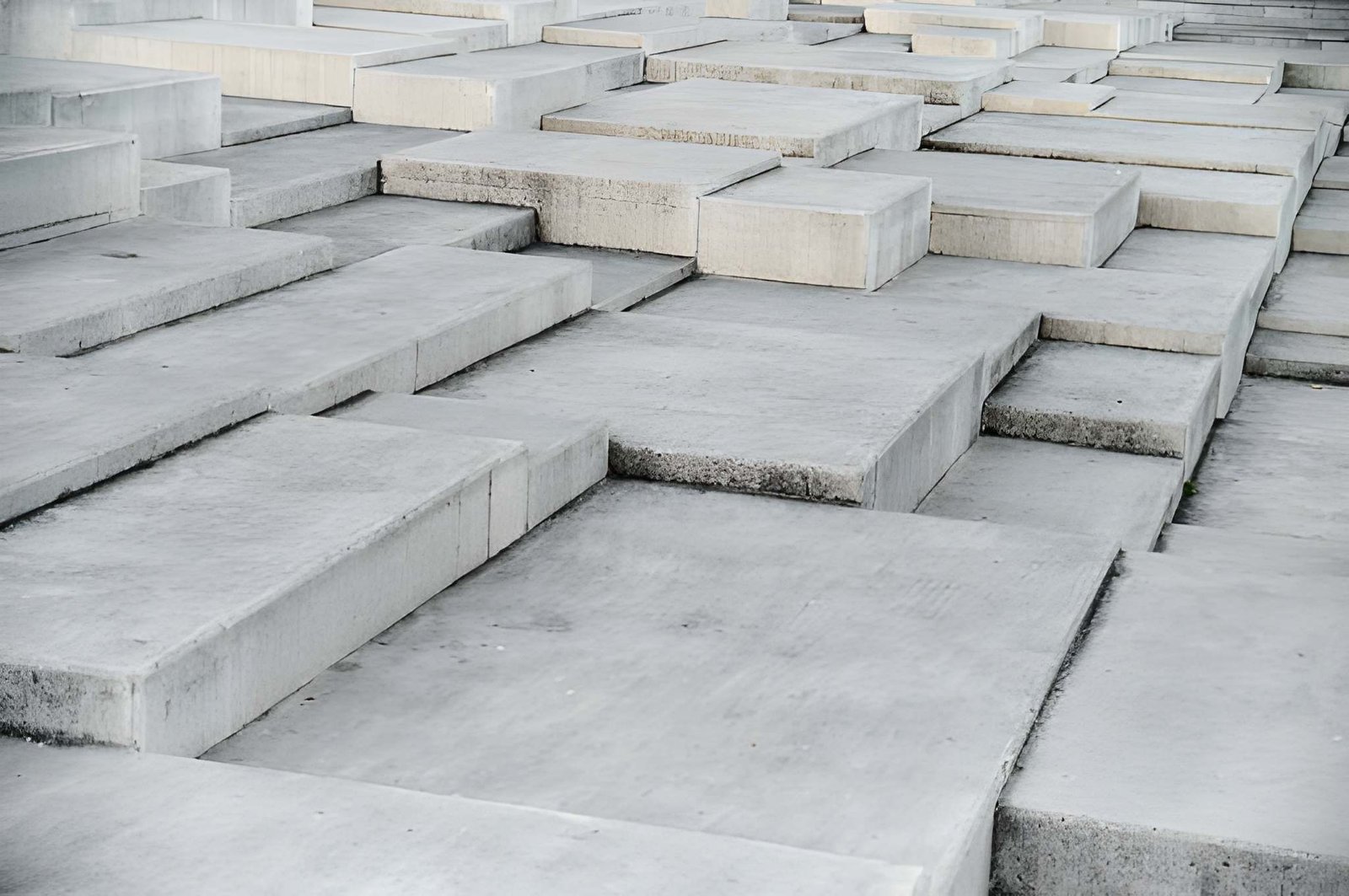
Comfortable route
Width, turns, doors, gates, parking, and frequent travel paths shape the layout.
Concrete sidewalks
Replace a worn, muddy, or awkward route with a dependable concrete walk that feels natural to use.
Why homeowners choose Concrete sidewalks
A walkway is used one step at a time, so small layout details matter. Tight corners, abrupt elevation changes, poor drainage, narrow pinch points, and uneven transitions can make an otherwise sound slab uncomfortable.
The most direct line is not always the best walk. Doors, gates, parked vehicles, downspouts, landscape beds, utilities, and natural foot paths help determine a route that people will actually use.
Width and slope should fit the setting. A short garden connection, primary home entrance, side-yard route, and commercial approach may have different circulation needs and surrounding constraints.
The base and edges are prepared for the site, while finish texture and joints support outdoor traction and controlled cracking. Grade is restored around the walk so it does not become a dam or a low channel.
Best uses
Concrete walks can connect public sidewalks to entries, drives to side doors, patios to pools, or service areas to the rest of the property. They can also replace worn paths that collect mud or create uneven footing.
Steps, landings, and adjacent walls may be needed where the route changes elevation. Planning them together produces more consistent dimensions and cleaner transitions.
Drainage, grading, hardscaping, driveway work, and sod restoration can be coordinated around the sidewalk so the route fits the complete exterior plan.
Process
Concrete sidewalks require a comfortable route, controlled slope, stable base, appropriate texture, and clean connections at doors, drives, patios, or public walks.
Route, slope, and transitions
The scope should define where the walk begins and ends, who uses it, what elevations it crosses, and how runoff moves around it.
Width, turns, doors, gates, parking, and frequent travel paths shape the layout.
Slope, steps, landings, and connections to existing surfaces need consistent, deliberate transitions.
The walk should shed water without trapping runoff against the house, beds, or lawn.
Concrete sidewalks questions
Width depends on its users, setting, gates, doors, traffic, and any applicable project requirements.
Yes. Steps and landings can be considered where the route changes elevation, subject to the site and scope.
A new walk can interrupt runoff or leave high and low edges unless surrounding grade is finished with it.
Replacement options depend on removal access, subgrade, nearby roots or utilities, drainage, and connection elevations.
Start with what you want
Tell Slaymaker Landscaping what you want to build or fix and how you hope the finished space will work for you.
Include the service, ZIP code, timing, photos, and what should improve when the work is complete.