Traffic and access
Customer, employee, delivery, maintenance, and emergency routes can influence phasing and work-zone setup.
Commercial hardscaping
Create a cleaner, more durable exterior for customers, tenants, employees, and the people who use your property every day.
Why property teams choose Slaymaker
Commercial work requires coordination beyond the installation area. Delivery routes, public access, work zones, adjacent pavement, snow storage, maintenance, and project phasing can all affect the scope.
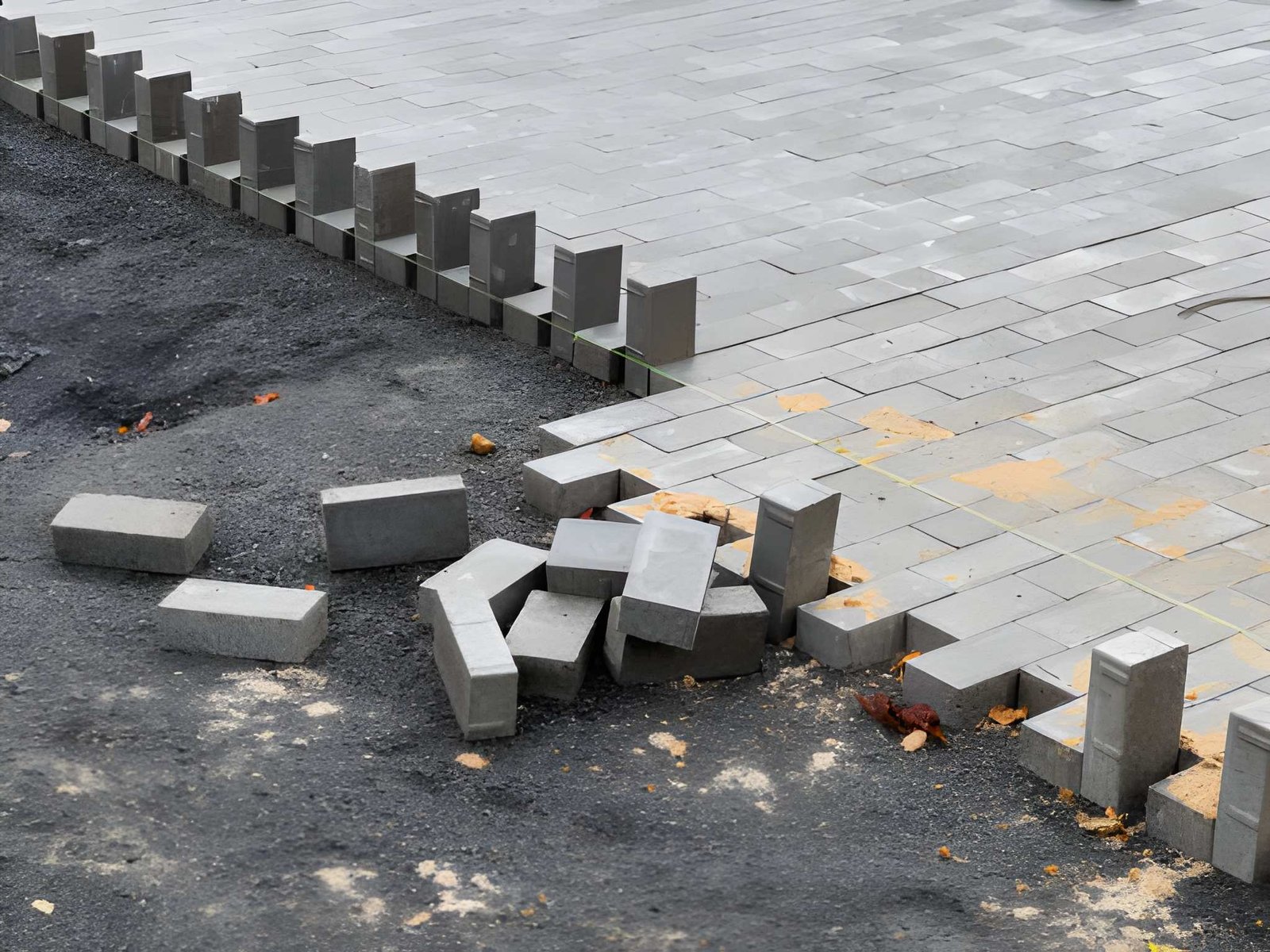
A commercial hardscape may define an entrance, connect parking to a building, create an outdoor seating area, manage a grade change, or improve a worn landscape edge. The use and traffic pattern determine where durability and clear circulation matter most.
The site remains active around the project. Staging, equipment access, material delivery, protection of nearby surfaces, and safe routing around the work should be understood before installation begins.
Water movement remains essential on larger paved properties. The new feature should work with existing drains, curbs, pavement pitch, downspouts, and landscape zones instead of interrupting an established runoff path.
Best uses
Hardscape features can improve entrances, pedestrian connections, courtyards, outdoor seating, retaining edges, and transitions between buildings, parking, and landscape areas.
Material and layout decisions should consider traffic, maintenance, replacement access, winter conditions, and the visual standards of the property.
Excavation, grading, drainage, concrete, and sod restoration can be coordinated with hardscape construction to reduce gaps between trades and finish the surrounding work.
Process
Commercial hardscaping coordinates durable exterior improvements with property operations, public routes, staging, drainage, maintenance, and project phasing.
Operations and durability
A complete request identifies the site contact, active routes, schedule limits, drainage conditions, and the intended long-term use of the improvement.
Customer, employee, delivery, maintenance, and emergency routes can influence phasing and work-zone setup.
Curbs, pavement, drains, doors, landscape beds, lighting, and utilities should be documented near the project.
Surface choice, edge details, snow operations, and routine grounds work affect long-term practicality.
Commercial hardscaping questions
Potential work includes walks, patios, courtyards, retaining walls, steps, borders, and site transitions based on property fit.
Phasing can be discussed once operating routes, schedule needs, staging, and the project layout are understood.
Send the address, site photos or plan, dimensions, intended use, operating constraints, drainage concerns, and contact details.
Winter operations and routine grounds work affect edge protection, material choice, access, and where features should be placed.
Start with what you want
Tell Slaymaker Landscaping what you want to build or fix and how you hope the finished space will work for you.
Include the service, ZIP code, timing, photos, and what should improve when the work is complete.