
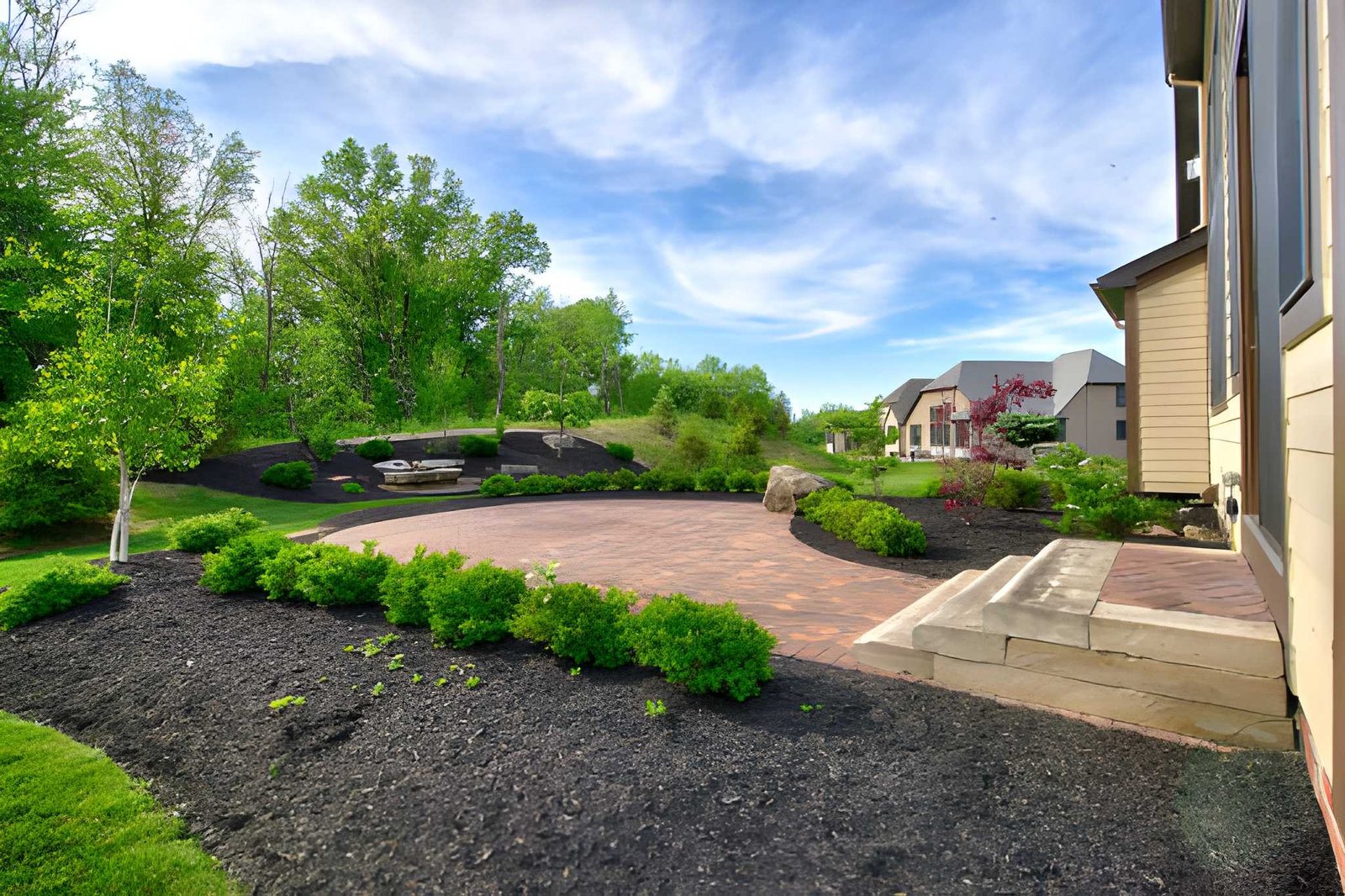
Rework a steep yard without guessing at grade
Set grading, wall drainage, and final lawn elevations before a patio or wall fixes the slope.
Review grading and excavationIowa City service area
Turn a steep, soggy, awkward, or unfinished Iowa City yard into a more useful outdoor space with the right mix of site work and visible finish.
Iowa River and Ralston Creek context
The Iowa River and local tributaries—including Ralston, Willow, Rapid, Snyder, and Clear creeks—shape very different property conditions across Iowa City. A home near a creek or mapped flood area needs its current floodplain and grading requirements checked before a pool, retaining wall, or major elevation change moves forward. On a higher lot, the more immediate issue may be runoff dropping across a steep backyard or collecting where a patio meets the lawn.
Close-in Iowa City homes may have compact side yards, mature trees, established walks, and alley access that limits the route for a pool shell, excavation equipment, stone, or concrete. A useful scope identifies the narrowest passage, every surface along the route, and where removed soil or delivered material can be staged before the backyard is opened.
Newer development brings another Iowa City condition: pavement, roofs, and highly compacted soils reduce infiltration and increase runoff. Patios, pool decks, and walkways should preserve the lot's swale or inlet route rather than flattening it. When lawn soil is the problem, the city also maintains programs for soil-quality restoration and other stormwater practices that homeowners can review separately from construction work.
Iowa City property scenarios
Creek-adjacent lots, steep backyards, compact access, and newer subdivision grades create different starting points for an outdoor project.
Set grading, wall drainage, and final lawn elevations before a patio or wall fixes the slope.
Review grading and excavationMeet older drives, alleys, door thresholds, and narrow access while shedding water away from the home.
Explore concrete flat workCoordinate the shell route, deck, equipment, fence line, and remaining runoff path on one backyard plan.
Plan a fiberglass poolBefore an Iowa City yard is opened
The project scope should distinguish creek or floodplain context from lot-level runoff, then account for Iowa City requirements that may apply to the address.
Iowa City site questions
The Iowa River and Clear, Ralston, Rapid, Snyder, and Willow creeks shape the city's flood and drainage network. If a property is near a mapped flood hazard or drainageway, current requirements should be checked before major grading, a wall, or a pool is finalized.
A connection should not be assumed. Iowa City directs property owners to contact City Engineering for approval and permitting before connecting to the public storm-sewer system.
The city identifies triggers that include slopes of 25 percent or more, vertical changes greater than 10 feet, flood-hazard areas, wetlands, and mapped drainageways. Confirm the current requirements for the specific address.
Across Johnson County and Eastern Iowa
Coralville has different creek and flood-protection context, while Eastern Iowa communities have their own access and drainage patterns. Choose the project address below for more relevant guidance.
Start with the Iowa City address
Tell us what you want to build or fix and share a few photos of the area. We’ll help you take the right next step.