
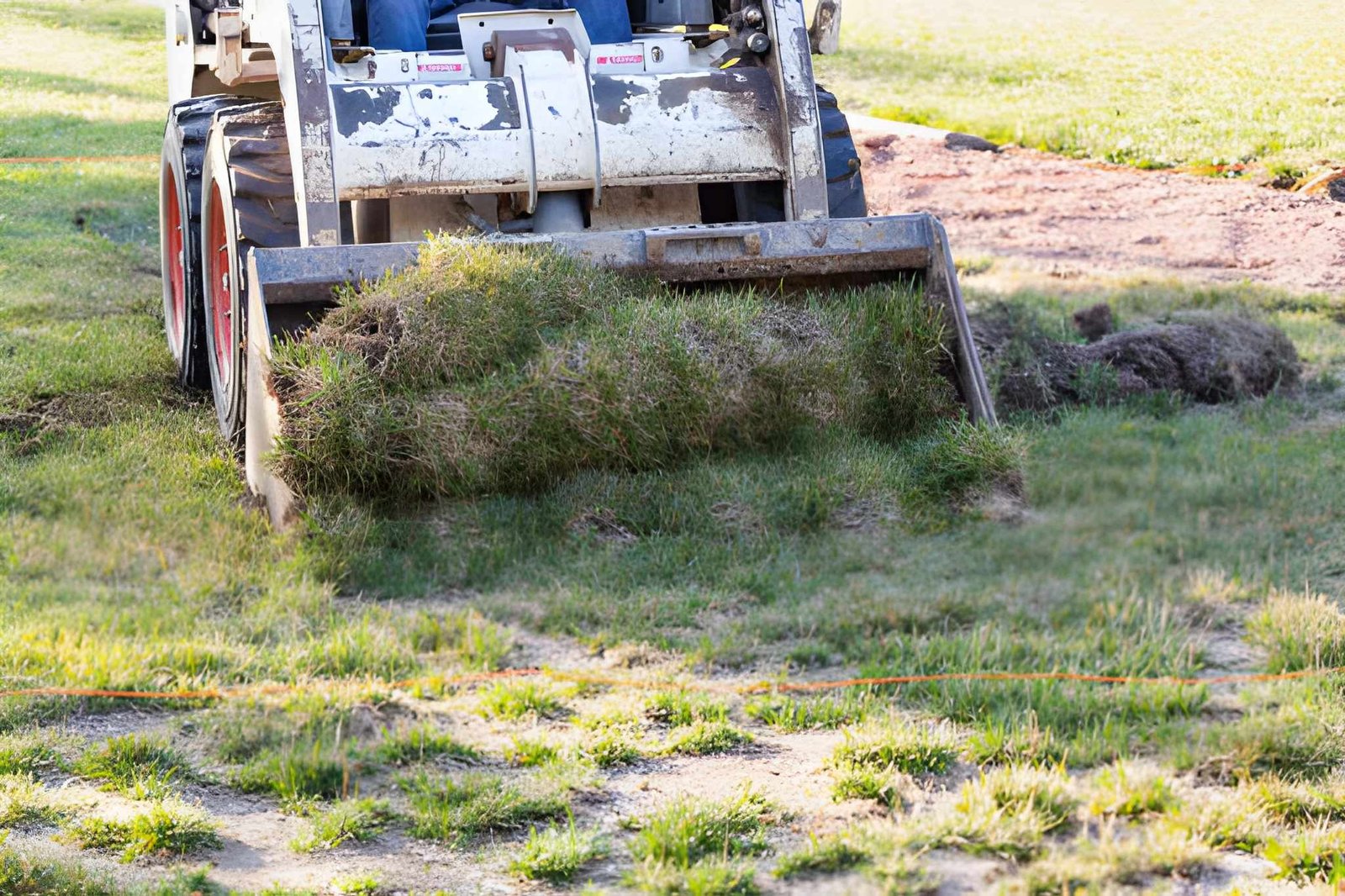
Existing conditions
Slope, soft soil, old fill, buried obstructions, utilities, roots, and water patterns can affect how the work proceeds.
Yard grading and excavation
Fix the ground beneath the problem or prepare it for what comes next with coordinated grading and excavation.
Why homeowners choose Yard grading and excavation
Moving soil is only part of the work. A useful plan identifies existing and proposed grades, the destination for runoff, equipment access, material staging, removal volume, compaction needs, and the finish work that follows.
Excavation removes material to create the depth and shape a project needs. Grading then establishes elevations and surface pitch. Treating them as connected steps helps patios, pools, driveways, walls, and lawns meet one another cleanly.
For drainage-focused projects, the crew studies high and low points, downspout routes, compacted soil, and where water can safely travel. Simply filling a low spot can push the same problem toward another part of the property.
For construction preparation, the work is set around the specifications of the next phase. Base depth, subgrade condition, working room, stockpile location, and equipment routes should be settled before digging begins.
Best uses
Grading can improve wet lawn areas, soften abrupt transitions, restore disturbed ground, and establish pitch away from finished spaces. Excavation can prepare for pools, walls, patios, driveways, walks, pads, or drainage components.
The existing site determines what equipment can reach the area and where removed soil can go. Gates, slopes, utilities, trees, fences, and finished surfaces may affect both production and cleanup.
Because Slaymaker Landscaping also completes the work that often follows, the excavation and grading can be planned around actual finish elevations instead of an isolated rough grade.
Process
Yard grading and excavation are set around material movement, access, drainage, target elevations, and the finish work the prepared site needs to support.
Depth, elevation, and access
A clear grading or excavation scope explains what material moves, what elevation is needed, and what will be built or restored afterward.
Slope, soft soil, old fill, buried obstructions, utilities, roots, and water patterns can affect how the work proceeds.
The plan should identify whether material can be reused on site, needs to be imported, or must be removed.
Pool, patio, wall, concrete, drainage, and lawn work each require different depths, tolerances, and transitions.
Yard grading and excavation questions
Excavation removes or relocates material to reach needed depth and shape; grading establishes the surface elevations and pitch of the site.
It can when surface pitch or low spots are part of the cause. The full runoff path should be reviewed before changing the grade.
Gate width, side yards, slopes, fences, trees, overhead lines, and finished drives or patios can all affect the approach.
Yes. Pools, walls, concrete, pavers, drainage, and lawns require different preparation and finish elevations.
Start with what you want
Tell Slaymaker Landscaping what you want to build or fix and how you hope the finished space will work for you.
Include the service, ZIP code, timing, photos, and what should improve when the work is complete.